Reservoir | Biotech launch film
Reservoir / Cellino
- Format
- Biotech launch film
- My role
- Remote production manager for Optix House and Hendrix Farrell
- Location
- Cambridge, Massachusetts and Menlo Park, California
- Shoot days
- 3 across two cities
- Crew
- Two local crews
- Delivered
- Crews, vendors, travel, call sheets, and production handoff
- Package
- Working biotech lab, founder interviews, and investor interview
This was not one shoot. It was two cities, two local crews and one film that had to make a new kind of health product feel real.
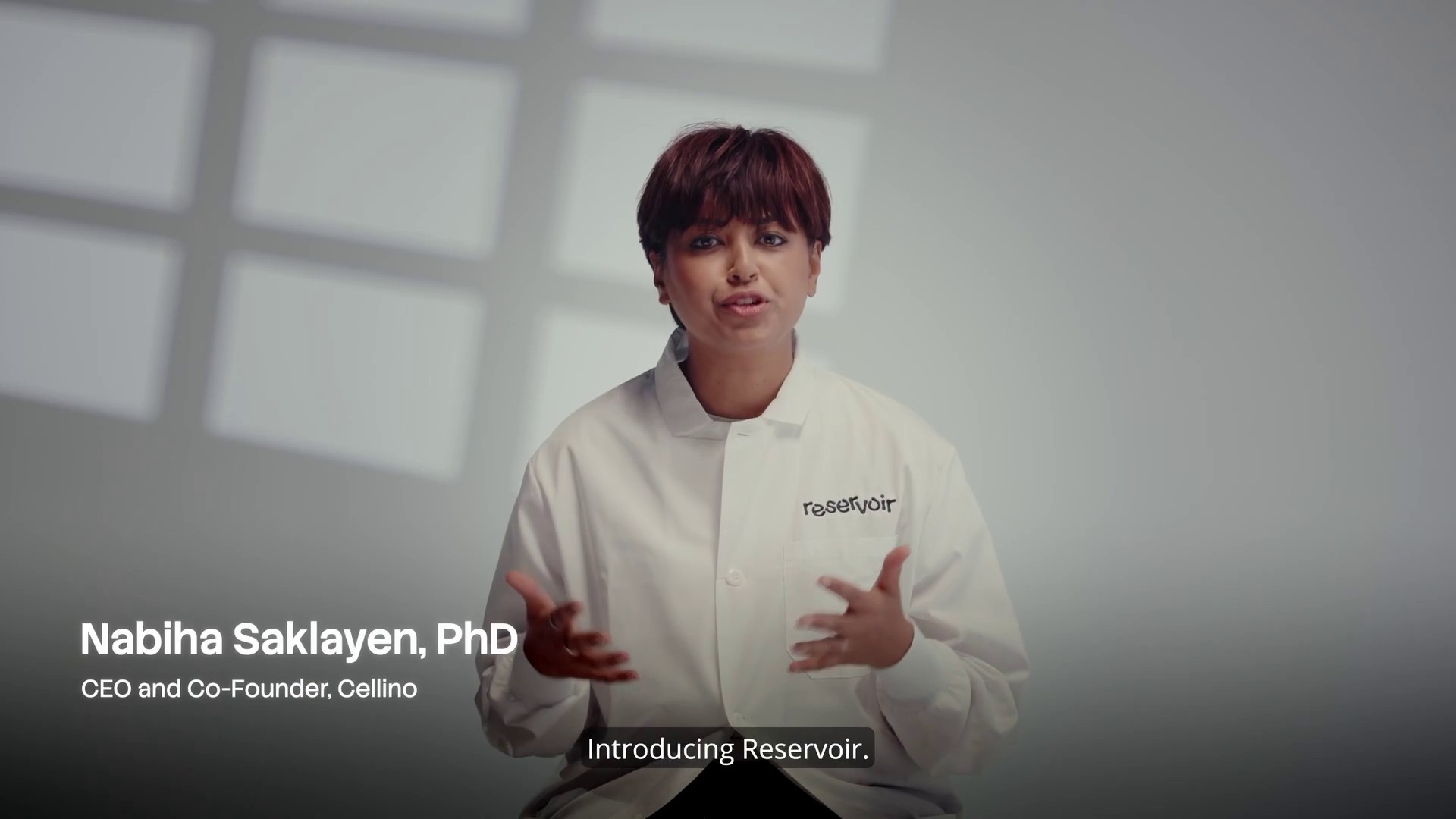
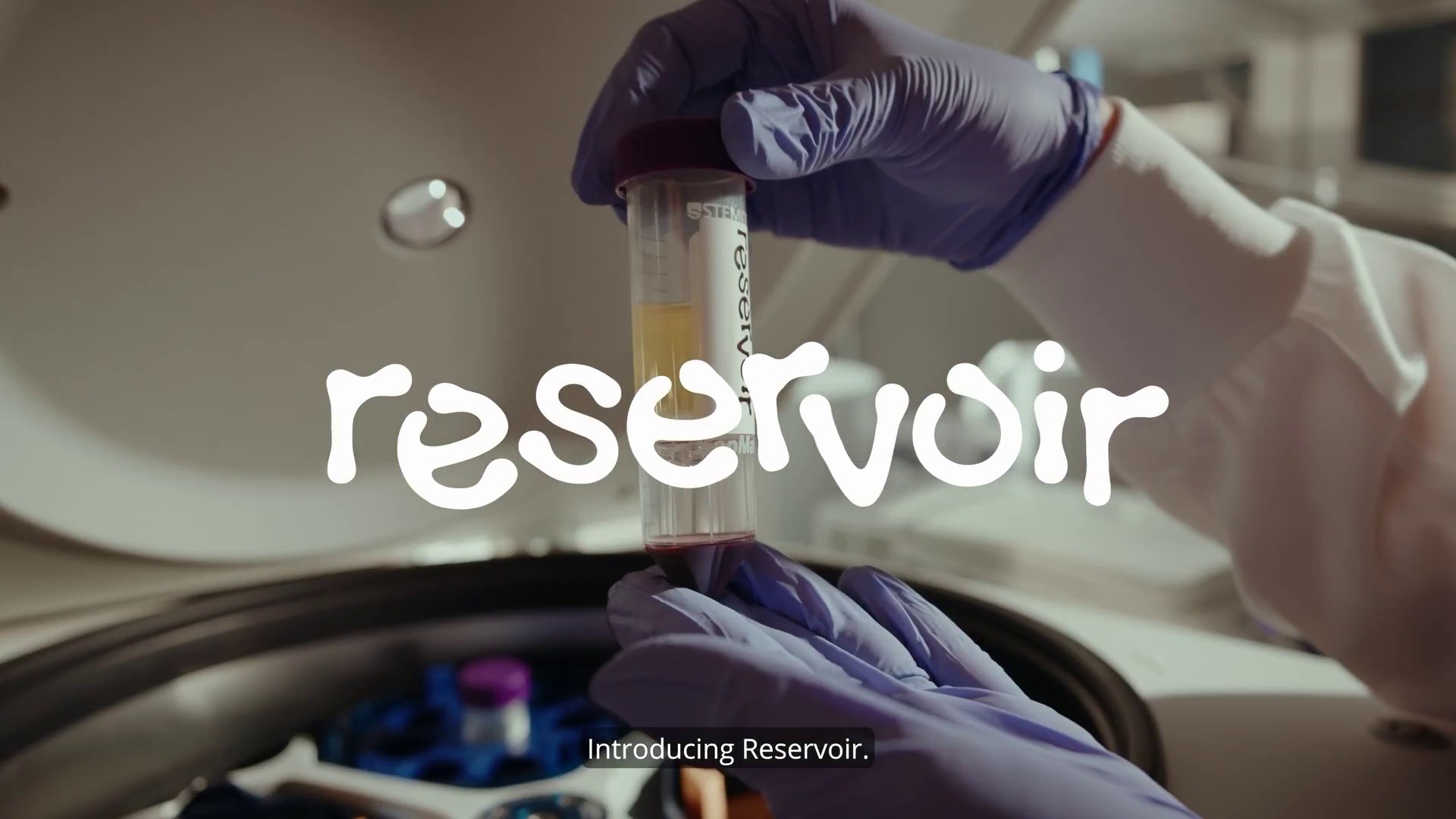
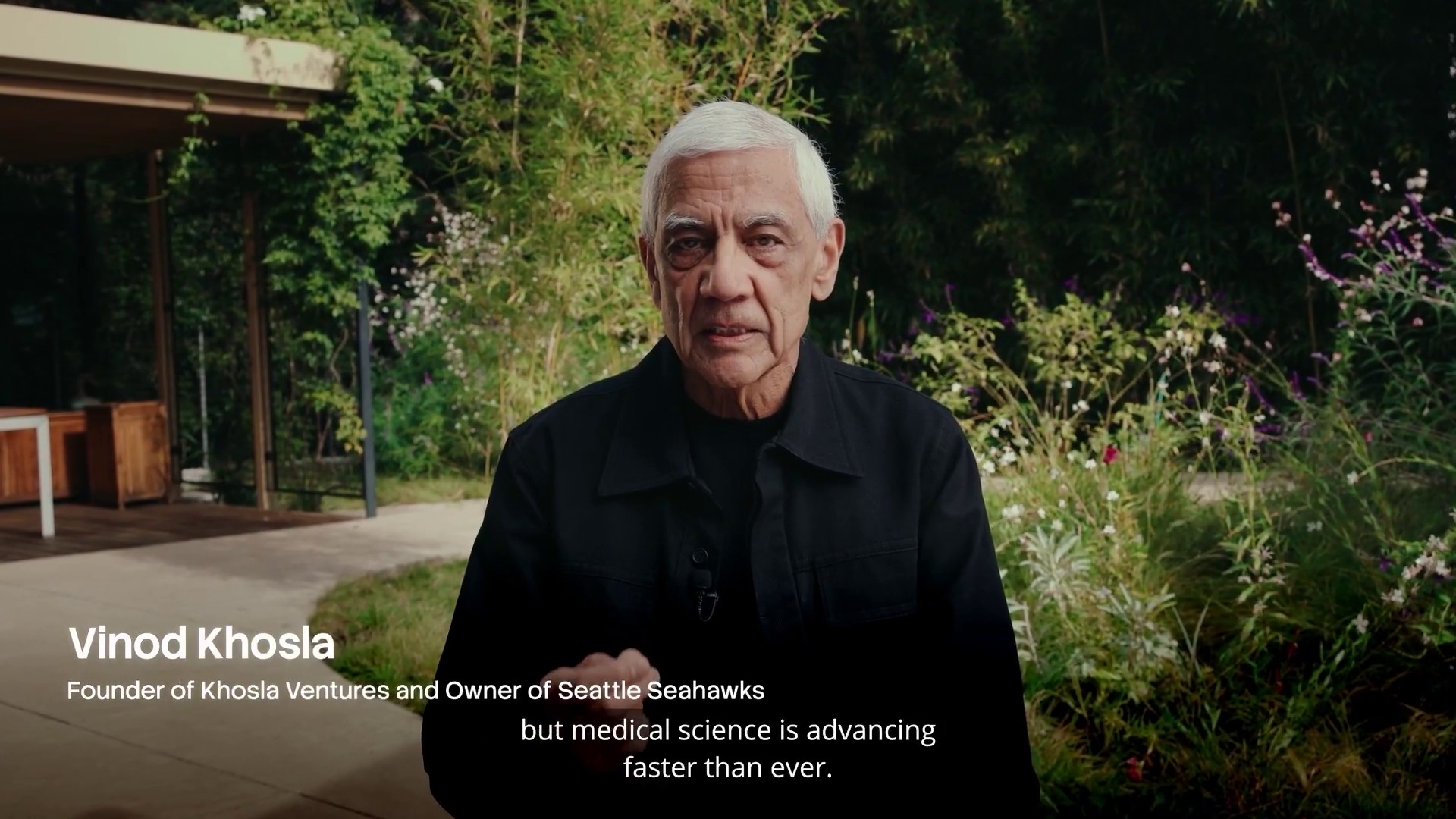
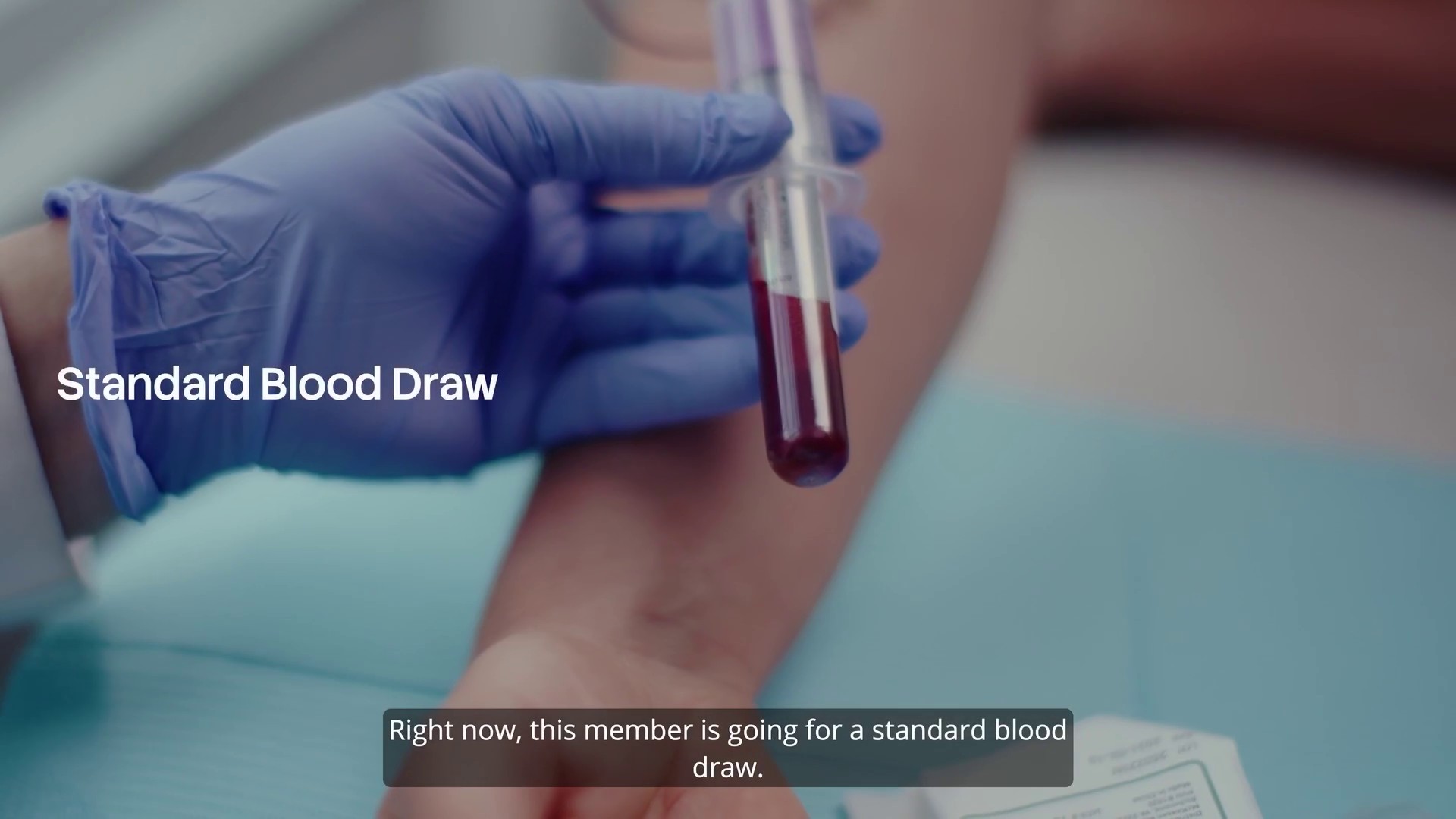
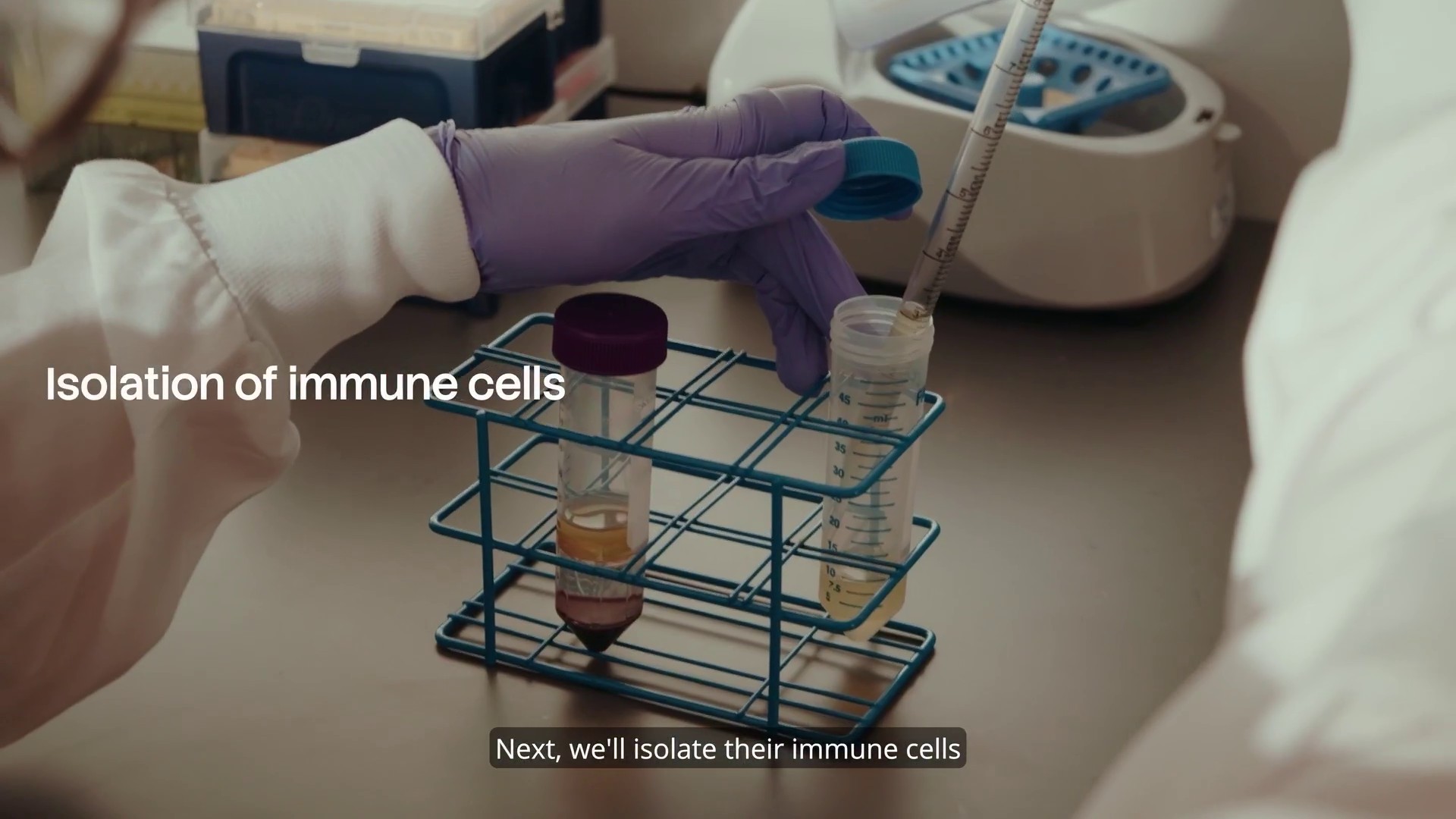
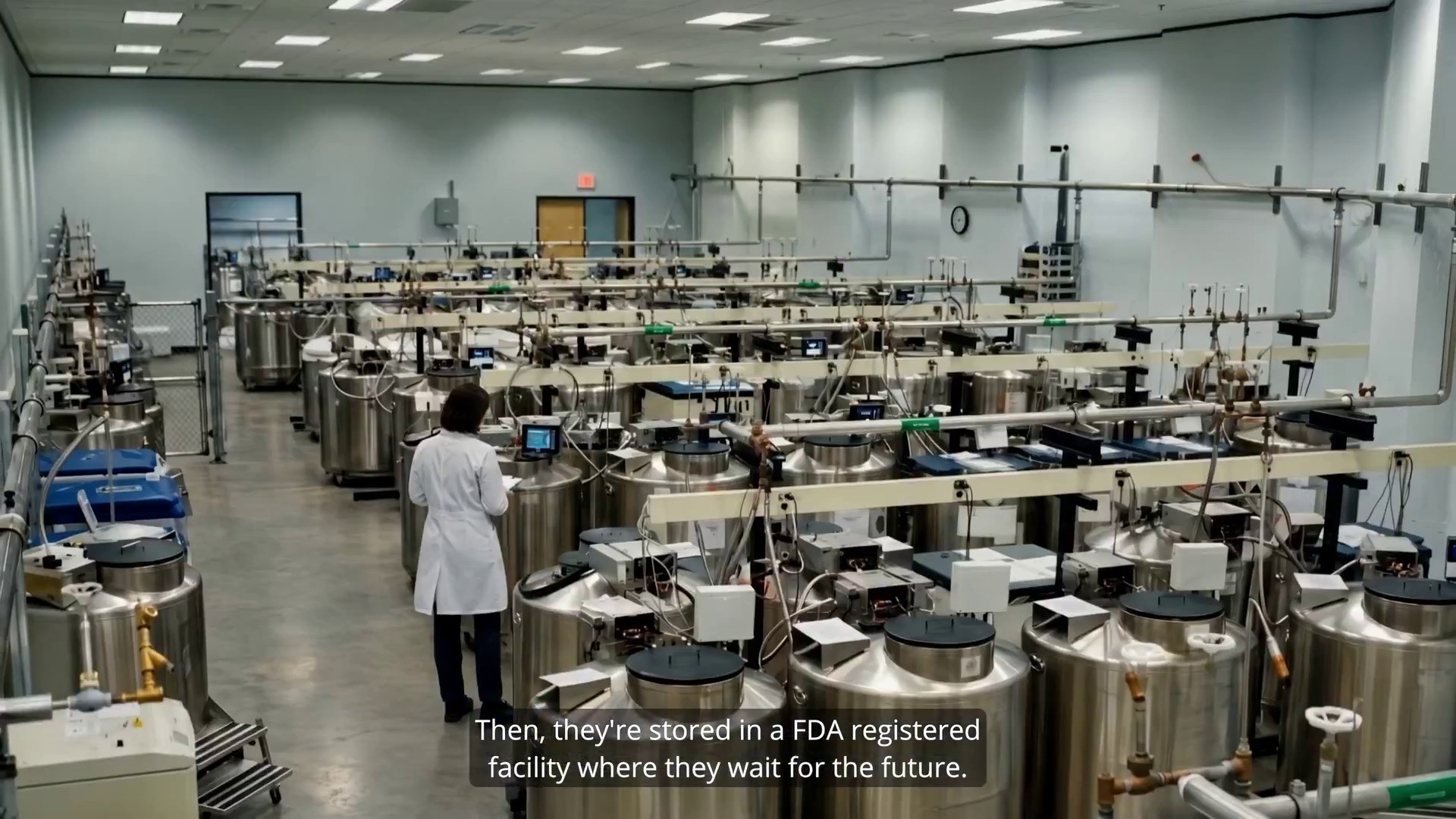
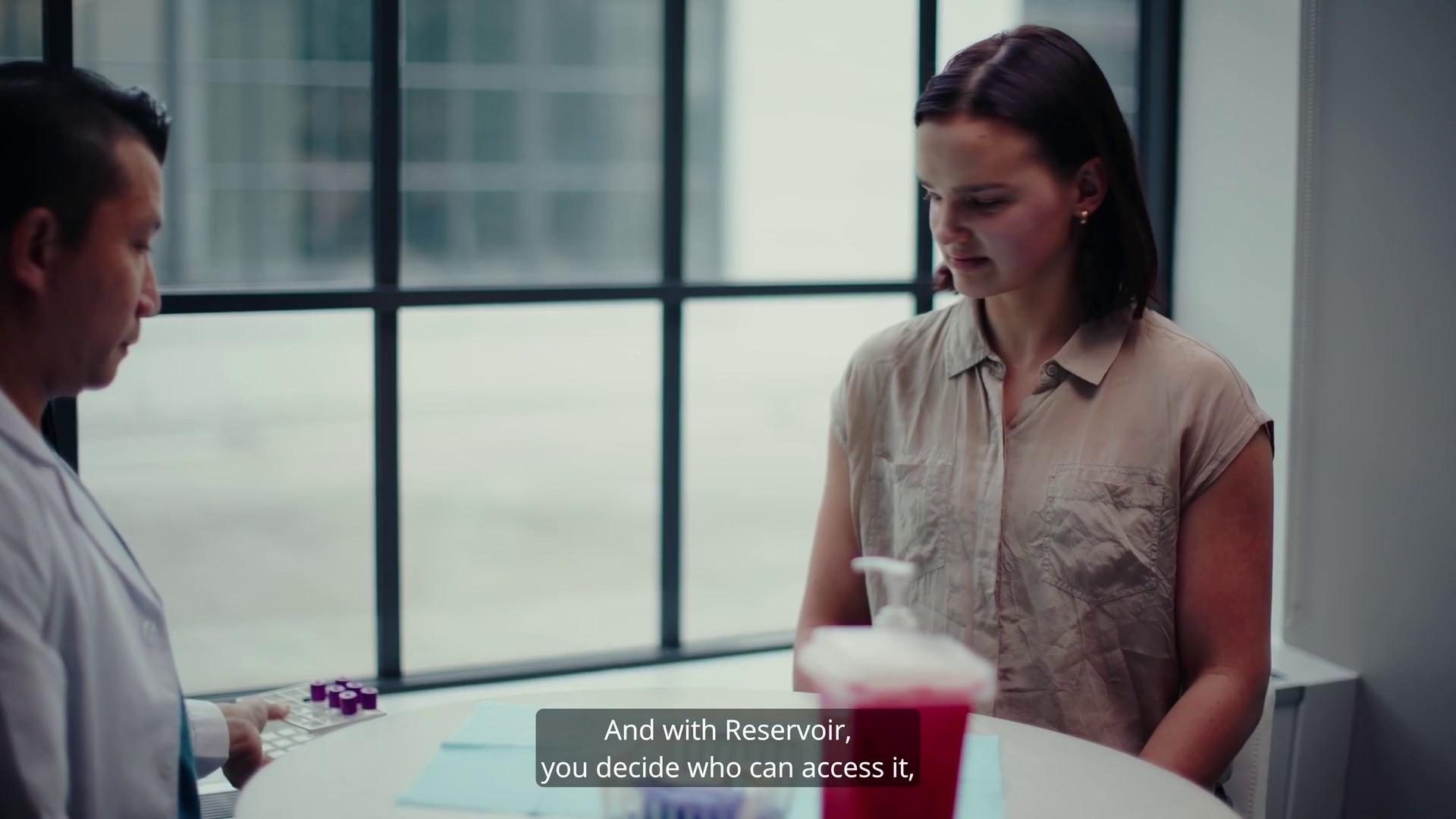
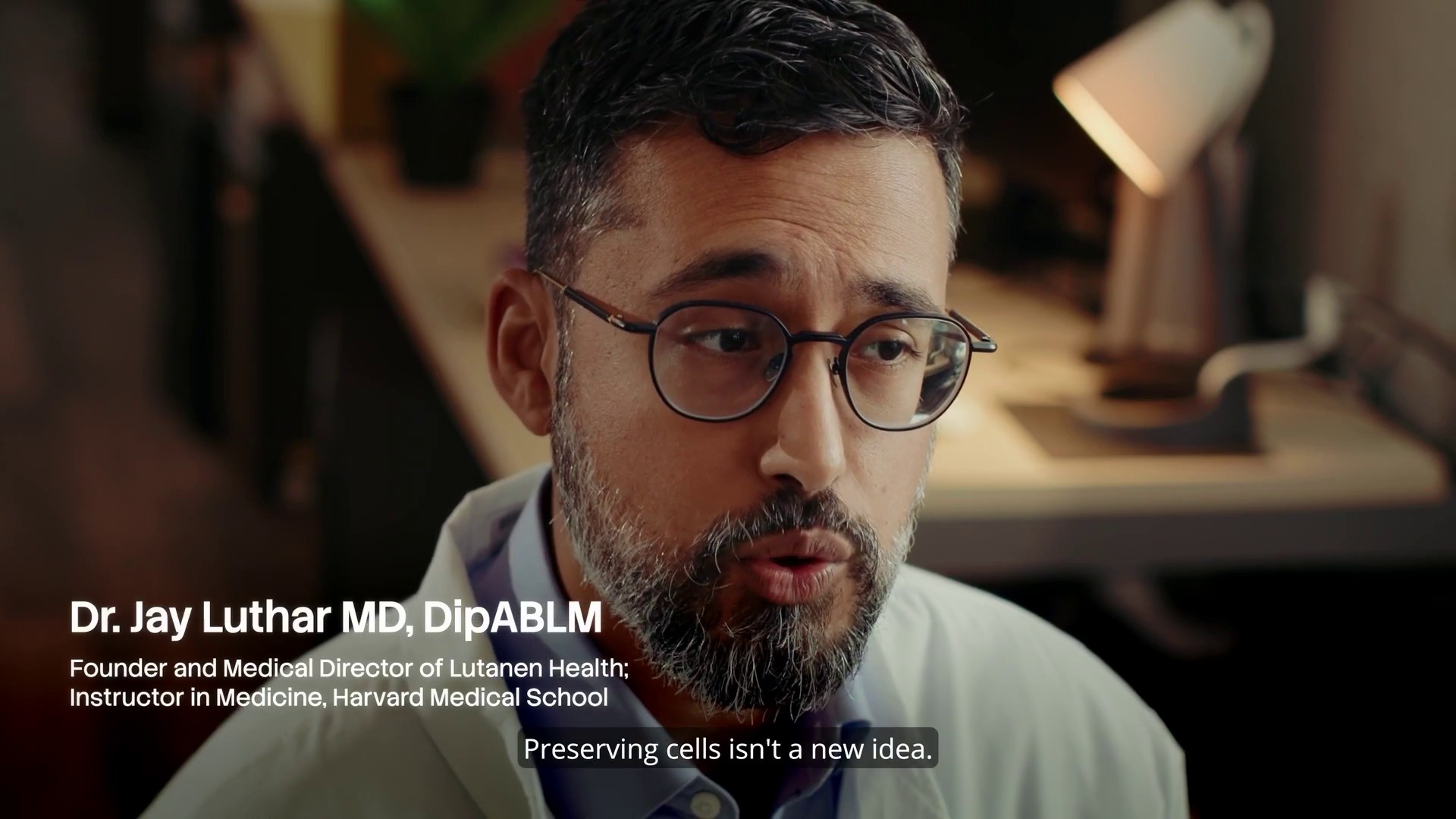
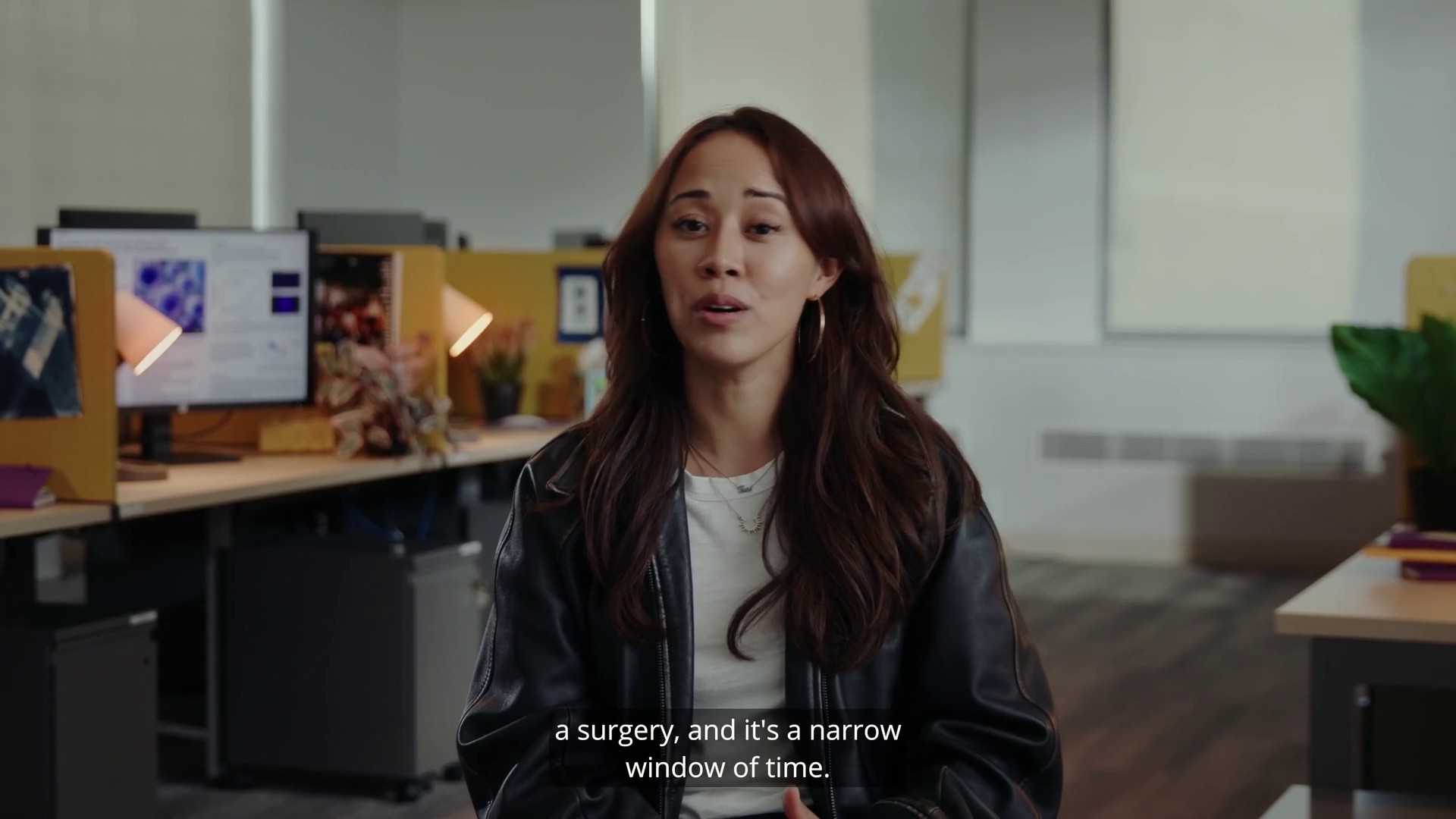
Cellino launched Reservoir, a personal immune cell preservation product. Nabiha Saklayen explains the idea. Vinod Khosla and clinicians give it context. Then the film goes inside the process: blood draw, cell isolation, cryo and storage.
I ran remote production for Optix House and Hendrix Farrell. We filmed for two days at Cellino’s working lab in Cambridge, then moved west for a separate shoot in Menlo Park. My job was to build the production around the people, places and access each part needed.
A real lab, not a lab set
The Cambridge location gave the film something a set couldn’t. It also came with rules a set wouldn’t have.
Which rooms could we use? Where could the truck unload? What were the power, access and PPE requirements? Who needed to be present for the blood draw?
Those questions shaped the call sheet. The client entrance and loading dock needed different instructions. The address needed to say Cambridge, not central Boston. Front desk access and getting a truck into the building were two separate problems.
We split the work across two days. Lab coverage and the clinician interview came first. Founder interviews followed. The process had room to breathe, and the people explaining it did too.
Then the production moved west
Menlo Park wasn’t day three of the Boston shoot. It was its own production.
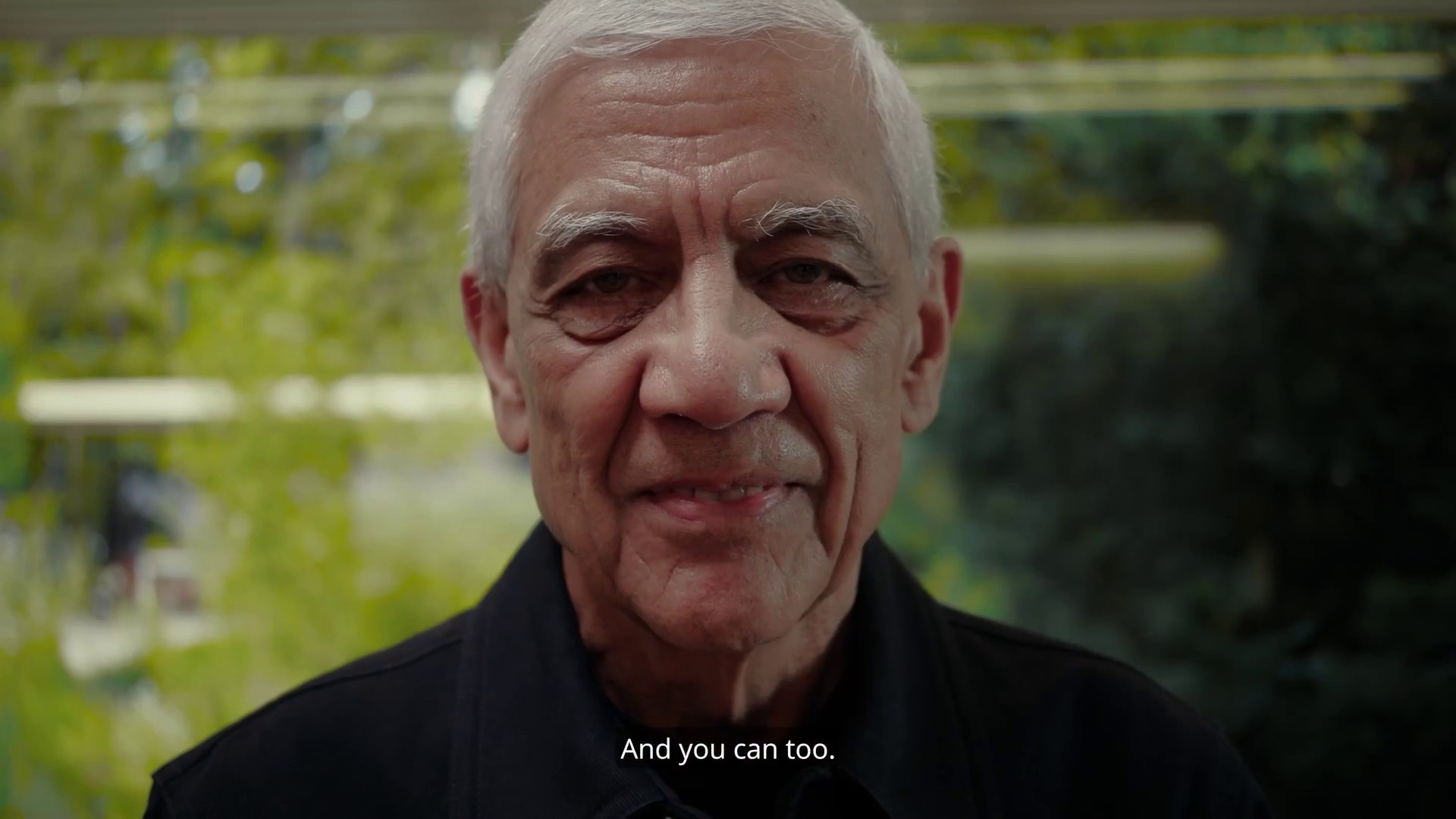
Vinod’s opening and closing segments were planned at Khosla Ventures. We had roughly an hour with him. That meant the room, camera, light and sound had to be ready before he arrived.
The Boston crew wasn’t traveling west. Maya and Chris were. A separate Bay Area crew met them there. New vendors. New access. New travel. The film stayed the same, but the production reset around a different city.
Keep the work with the right people
I handled crew, vendors, gear, call sheets, travel and lodging. I tracked the paperwork and the decisions that needed Hendrix’s approval.
The director and DP still needed room to make the film. The gear brief left the final lighting package with Chris and the gaffer. Hendrix kept approval over spend. My plan gave them something solid to work from without taking their calls away from them.
The handoff
Post stayed with Hendrix’s team. Chris held the media. The agency kept the creative and the client relationship.
My work lived underneath the film: two crews, two cities and the practical plan that connected them. My job was the train, not the cut.